Architect Consultancy for Modern Infrastructure: Trends and Best Practices
Architect Consultancy for Modern Infrastructure:
Modern infrastructure is the backbone of economic growth, urban development, and sustainable living. From smart cities and commercial complexes to residential communities and public spaces, architectural consultancy plays a crucial role in designing and executing projects that are functional, aesthetically pleasing, and environmentally responsible. Architect consultancy services provide professional guidance in planning, designing, and managing infrastructure projects to ensure efficiency, safety, and long-term value.
As cities expand and construction technologies evolve, the role of architectural consultants has become more important than ever. Their expertise helps developers, businesses, and governments transform ideas into practical structures that meet modern demands while adhering to regulatory standards and sustainability goals.
Understanding Architect Consultancy in Infrastructure Development
Architect consultancy refers to professional services provided by experienced architects who guide clients through every stage of a construction project. This process includes conceptual design, feasibility analysis, planning, budgeting, and project management.
Architects work closely with engineers, interior designers, contractors, and urban planners to create integrated infrastructure solutions. Their primary goal is to ensure that the design aligns with the client’s vision while maintaining safety, structural stability, and environmental sustainability.
For modern infrastructure projects, architectural consultants play a strategic role by combining creativity with technical expertise. They ensure that buildings and infrastructure not only meet present needs but also remain adaptable for future developments.
Importance of Architectural Consultancy in Modern Infrastructure
Infrastructure projects today are far more complex than they were in the past. Rapid urbanization, population growth, and environmental challenges require innovative design solutions. Architect consultancy services help address these challenges through strategic planning and expert guidance.
One of the key benefits of architectural consultancy is efficient space planning. Proper design ensures that every area within a building or development project is utilized effectively. This improves functionality while enhancing the overall user experience.
Another important aspect is regulatory compliance. Construction projects must follow building codes, safety regulations, and environmental guidelines. Professional architectural consultants ensure that projects meet all legal and structural requirements, reducing the risk of delays or penalties.
Additionally, architectural consultants help optimize project budgets. Through careful planning and material selection, they reduce unnecessary expenses while maintaining quality and durability.
Key Trends in Modern Architectural Consultancy
The field of architecture is constantly evolving to meet changing technological and environmental demands. Several trends are shaping the future of architectural consultancy in modern infrastructure development.
Sustainable and Green Architecture
Sustainability has become a central focus in modern construction. Architects now design buildings that minimize environmental impact and maximize energy efficiency. Green architecture includes the use of renewable materials, natural lighting, rainwater harvesting systems, and energy-efficient designs.
Sustainable infrastructure not only protects the environment but also reduces operational costs for building owners.
Smart Building Technologies
The integration of technology in architecture is another major trend. Smart buildings use advanced systems such as automated lighting, climate control, security monitoring, and energy management. Architectural consultants work with technology experts to integrate these systems into building designs.
Smart infrastructure enhances convenience, improves energy efficiency, and increases the overall value of properties.
Modular and Prefabricated Construction
Modern construction methods are shifting towards modular and prefabricated structures. In this approach, building components are manufactured in controlled environments and assembled on-site. Architectural consultants play a key role in designing modular systems that maintain structural integrity and aesthetic appeal.
This method reduces construction time, minimizes waste, and improves project efficiency.
Human-Centered Design
Today’s architectural designs prioritize the well-being and comfort of occupants. Human-centered design focuses on creating spaces that improve productivity, health, and overall quality of life.
Architectural consultants incorporate natural light, ventilation, ergonomic layouts, and green spaces to create comfortable living and working environments.
Urban Planning and Smart Cities
With rapid urbanization, cities are becoming more complex. Architectural consultants are actively involved in planning infrastructure for smart cities. This includes transportation systems, mixed-use developments, public spaces, and sustainable housing solutions.
Smart urban planning ensures balanced development while maintaining environmental sustainability.
Best Practices for Effective Architect Consultancy
To ensure successful infrastructure development, architectural consultants follow several best practices that enhance project outcomes and client satisfaction.
Comprehensive Project Planning
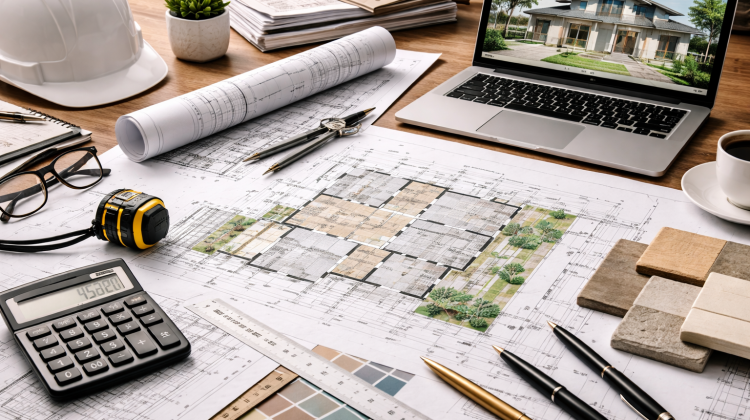
Successful infrastructure projects begin with detailed planning. Architects conduct site analysis, feasibility studies, and design assessments before initiating the construction process. Proper planning helps identify potential challenges and ensures smooth project execution.
Collaborative Approach
Architectural consultancy involves collaboration between multiple professionals, including engineers, contractors, landscape designers, and project managers. A collaborative approach ensures that all aspects of a project are aligned and efficiently managed.
Focus on Sustainability
Modern infrastructure must prioritize sustainability. Architects incorporate eco-friendly materials, energy-efficient systems, and water conservation methods to create environmentally responsible buildings.
Adoption of Digital Tools
Digital technologies such as Building Information Modeling (BIM), 3D visualization, and computer-aided design (CAD) have transformed architectural consultancy. These tools allow architects to create accurate models, detect design issues early, and improve project coordination.
Client-Centered Design
Understanding client requirements is a fundamental part of architectural consultancy. Consultants work closely with clients to understand their vision, budget, and functional needs before developing customized design solutions.
Challenges in Modern Infrastructure Design
Despite advancements in technology and design practices, architectural consultants face several challenges in modern infrastructure projects.
One major challenge is balancing cost efficiency with high-quality design. Clients often want innovative structures within limited budgets, requiring architects to find creative solutions.
Another challenge is adapting to rapidly changing environmental regulations and sustainability standards. Architects must stay updated with evolving policies to ensure compliance.
Urban congestion and limited land availability also present design difficulties, especially in densely populated cities.
However, experienced architectural consultants overcome these challenges through strategic planning, innovative design thinking, and technological integration.
The Future of Architectural Consultancy
The future of architectural consultancy is closely linked with technological innovation and sustainable development. Artificial intelligence, virtual reality, and advanced simulation tools are expected to play a larger role in architectural design and planning.
Additionally, the growing demand for smart cities and eco-friendly infrastructure will further increase the importance of professional architectural consultants. Their expertise will be essential in creating buildings and urban environments that are efficient, safe, and environmentally responsible.
Conclusion
Architect consultancy services are essential for successful modern infrastructure development. From conceptual design and planning to project management and sustainability integration, architectural consultants ensure that construction projects meet both functional and aesthetic goals.
By embracing modern trends such as smart technology, sustainable design, and digital modeling, architects are shaping the future of infrastructure. Their expertise not only enhances the quality of buildings but also contributes to sustainable urban development and improved quality of life.
For individuals, businesses, and governments planning infrastructure projects, partnering with experienced architectural consultants is a crucial step toward creating innovative and long-lasting structures.