Hidden Strength: Verifying Foundations Through Pile Testing
Every great structure stands tall not because of what we see above the ground, but because of the hidden strength beneath it. Foundations are the backbone of any construction, and to ensure their reliability, pile testing plays a crucial role. By verifying the load-bearing capacity and integrity of piles, engineers can guarantee that buildings, bridges, and infrastructure projects stand the test of time.
What is Pile Testing?
Pile testing is the process of evaluating the strength, stability, and durability of deep foundations (piles) used in construction. Since piles are buried underground, testing helps engineers verify their performance before and after construction.
Types of Pile Testing
-
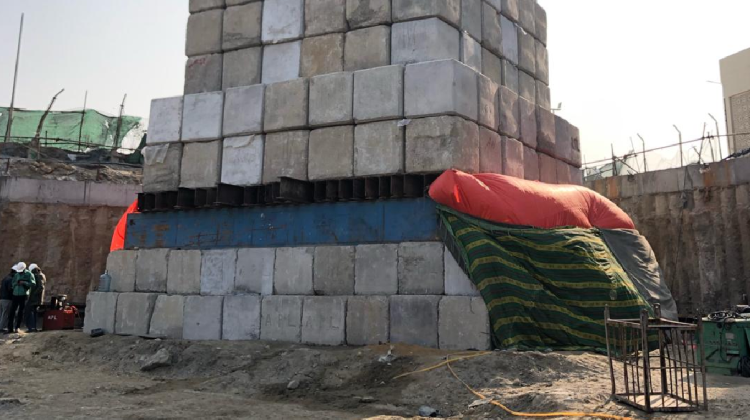
Static Load Test – Measures how a pile behaves under sustained load conditions.
-
Dynamic Load Test – Uses force and vibrations to assess pile capacity quickly.
-
Pile Integrity Test (PIT) – Detects defects, cracks, or discontinuities within piles.
-
Lateral Load Test – Determines a pile’s ability to resist side forces like wind or earthquakes.
Why Pile Testing Matters
-
Safety First – Ensures that structures can withstand expected loads without failure.
-
Cost Efficiency – Detects weak or defective piles early, preventing costly future repairs.
-
Quality Assurance – Verifies construction standards and compliance with engineering codes.
-
Long-Term Reliability – Provides confidence that the foundation will sustain the structure for decades.
Conclusion
While piles remain hidden beneath the surface, their strength defines the stability of the structures we rely on daily. Pile testing is not just a technical procedure—it is a safeguard for safety, durability, and trust in engineering. By verifying foundations, engineers ensure that every building truly stands on solid ground.